

Fairfield and Westport CT Real Estate Guide

Local insights on buying, selling, and living in Fairfield County


1 Comment

Is Green the New Black? The New Driveway You Never Dreamed Of Until Now! ✅🌱

You probably don’t have to worry about replacing your driveway anytime soon.

But if you did….would you ever think of replacing it with something other than asphalt?

It doesn’t occur to most of us to seek out “green” alternatives. Yet, there are a growing array of options for ways to preserve our environment and reduce carbon emissions that cause dangerous global warming and increasingly extreme and destructive weather events.

“Asphalt and concrete are old school bad boys”, -Stephen Treffinger in an article from MYND, a real estate investing firm.

Everyone has asphalt driveways. What’s wrong with asphalt?

Asphalt and concrete are not sustainable. The main component of asphalt is petroleum, which is a limited resource found beneath the earth’s surface. The process of extracting it consumes large amounts of energy and also disrupts the surrounding environment. In fact the extraction process is thought to be the cause of earthquakes in Oklahoma according to Aexel Corporation. The asphalt and its production release dangerous and toxic carbon emissions and VOCs (Volatile Organic Compounds) into the atmosphere. Blacktop then absorbs and re-emits the sun’s heat back into the air causing higher temperatures, whereas natural landscape materials do not. And last, but not least, the pavement (along with all impermeable surfaces) threatens our water supply by preventing natural filtration of water through the ground. Instead it causes water contaminated by the asphalt and other debris to run-off the hard surface and mix with the sewage drainage system before ending up back into our rivers.

What can be done?

Fairfield Connecticut has a plan called Resiliency for Downtown Fairfield Using Green Infrastructure (GI). The plan says-

The overriding philosophy of GI is to emulate the way natural systems manage water. For instance, runoff can be thought of as a “waste” of water in a natural landscape. A natural landscape tends to conserve water; it is a natural cooling system, a natural material/food delivery system, a cleansing system, and a cell structural maintenance system among other things. The water cycle is nature’s way of collecting, storing, and timing the redistribution of water across landscapes.

Runoff is water that is not captured by upland landscapes for their needs.

GI describes the processes of using various techniques that seek to mimic the soil’s natural ability to infiltrate runoff. This is important as climate change projections for New England generally predict warmer temperatures with increasingly strong storms and high precipitation events. This can cause the seemingly paradoxical effects of increased drought from the high temperatures while also increasing the risk of flooding from the strong storm events. GI can help negate both consequences by taking water that would otherwise runoff, swelling brooks and rivers, and instead allowing that water to infiltrate into the ground or be captured and used directly.

Is green the new black? 🌱

Asphalt recycling and more porous alternatives can be used until better solutions become readily available. But here are some methods for greening our driveways for a more eco-conscious future, shared from MYND.

Gravel – Pros: It is inexpensive at $1 to $2 per square foot, can be locally sourced, and is very porous, making it a highly eco-friendly, green option. Cons: It could pose a challenge to plowing in the winter.

Seashells 🐚 – Pros: The shells can be collected without harming the shoreline and processed into a porous and durable mix. It is low-cost at under $1 per square foot. Shells over time will breakdown and provide nutrients to the soil and area plants. Shells are safe for the environment and add a beach flair to your home. Cons: This alternative is not available in all areas, and the driveway is not comfortable to walk on barefoot.

Permeable paver system 💧- Pros: This approach has more conventional look with solid pavers that allow water to drain down between them. It uses clear crushed stone between the pavers and a layer underneath that’s about a foot deep. This allows water to filter into the ground naturally instead of running over the surface into the city drainage system. Cons: These are pricier at $15 to $30 per square foot.

Grass 🦠 – Pros: A structured grid buried below the ground’s surface provides a supportive structure for grass giving it the strength to function as a driveway. This allows water to filter through the ground just like the rest of your lawn. GD Grass System is a provider. Cons: There would not be a visual distinction between the grass yard and driveway unless you create a border with additional landscaping.
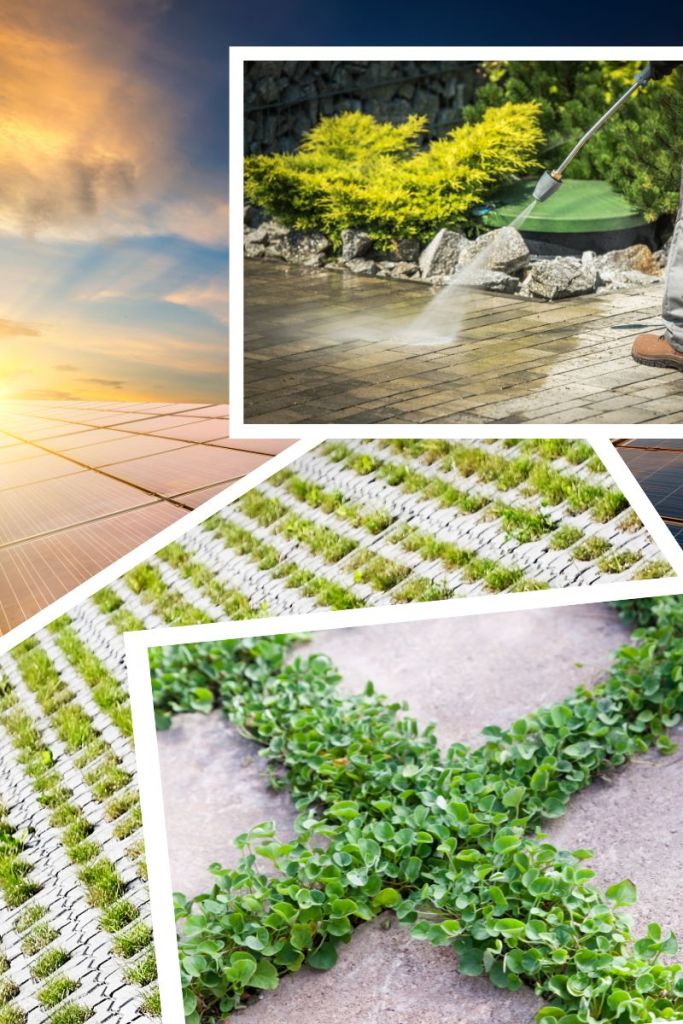
Solar Freakin Roadways!!!” 👽- Yes, you read this right! There is a company in Idaho called Solar Roadways that makes solar road panels [<= CLICK THAT LINK. THE 7-MINUTE VIDEO IS ENTERTAINING, ENLIGHTENING AND A MUST-SEE!]. Pros: This is an amazing technology that uses sustainable materials to make, not just solar, but SMART road panels. They are modular panels that fit together to prevent cracking. They generate energy, produce an ROI, charge electric vehicles, enable underground wiring, provide traction, heat up to prevent ice and snow accumulation, light up for a festive display, can send emergency alerts, and can be programmed on demand to create range of light patterns or sports quarts, and yes, they provide a place to park! Cons: As an emerging technology, they are not cheap at the moment, but the price will come down.

Hemp 🪴- Pros: Light-weight bricks can be created from the strong inner fibers of hemp that can last for years. The lighter weight makes transporting them less expensive and less impactful on the environment. The added bonus is that they absorb carbon from the atmosphere just like trees. Cons: Hemp might not be legal in all areas.

Fungi 🍄‍🟫 – Pros: This is another evolving technology where mushrooms can actually be used to make strong bricks! Fungal threads, or mycelium, are introduced to a substrate which they consume, digest, and convert into a strong solid mass. The mycelium basically act like “glue that binds together different natural particles” says Critical Concrete. The benefits to mycelium are that it can create material that’s stronger than concrete, can absorb more heat than fiberglass, is fire-proof, non-toxic, very light weight when dry, and can last up to 20 years if maintained in favorable conditions. Cons: the mycelium is water and mold resistant initially but gradually loses this capacity over time. The key is finding ways to keep it in stable conditions to prevent it from decomposing.

I hope this article sparked some awareness and intrigue 🤩 about green alternatives that support sustainability. The more we learn about the ways to protect our environment, the more focused on its importance we may become, and the more we can take action for a greener 💚 and more sustainable 🔮 future.

Please share your comments below.

← Back

Thank you for your response. ✨


Leave a comment

We (Should) Love Our Wetlands!

During a recent meeting of the Greater Fairfield Board of Realtors, a panel of town officials from several departments presented updates and information for discussion among the group. I was struck by the new Conservation Director’s announcement that the volume of inland wetland violations has skyrocketed recently with all the new homeowners moving into town and being unaware about the presence and importance of wetlands. He asked if we could help him get the word out to people.

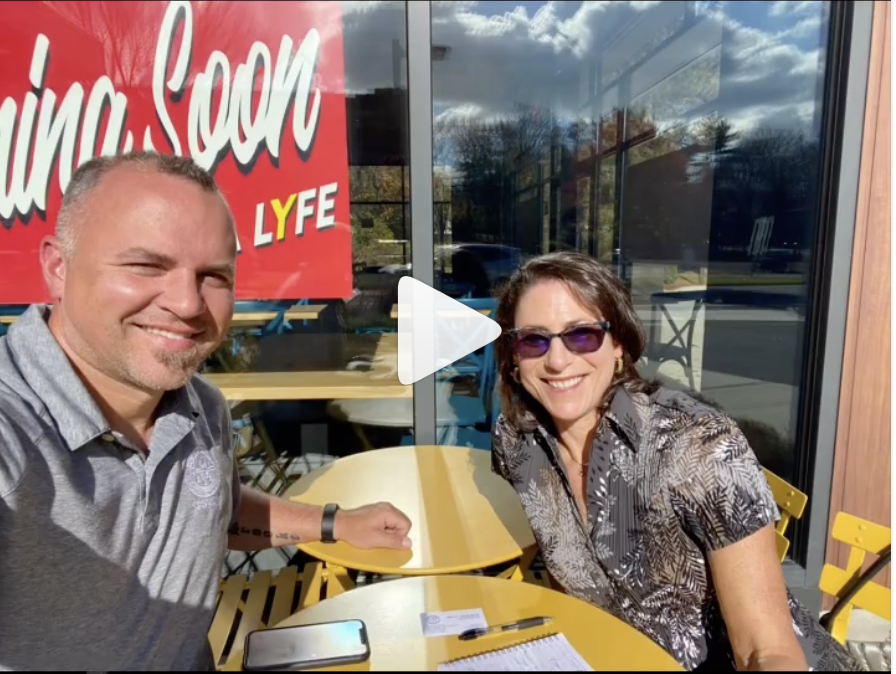
So (on an unseasonably hot day in November!) I met with Fairfield’s new Conservation Director, Tim Bishop over coffee to talk about how I can help homeowners in town learn how to protect our precious wetlands. Tim is an expert environmentalist with almost two decades of experience. He is an excellent resource for our town and truly wants to collaborate with homeowners to help them get their home improvements done while protecting our fragile natural resource, the inland wetland areas. 

When meeting with Tim, I learned that most people are not aware of the importance of protecting wetlands. I learned that protecting our inland wetlands is critical to controlling flooding and stormwater run-off, maintaining our water quality, and preserving natural ecosystems that need still (vs. flowing) water to breed and live. Healthy wetland areas hold onto water which allows a natural cleaning process to occur and provides the environment necessary for wildlife survival, while controlling flooding.

People don’t realize that their actions could be permanently destroying this critical natural resource, and they don’t realize that what they do in their yard impacts other people. So I assembled the information below to address the key issues and also put it in a handout for people to use and share.

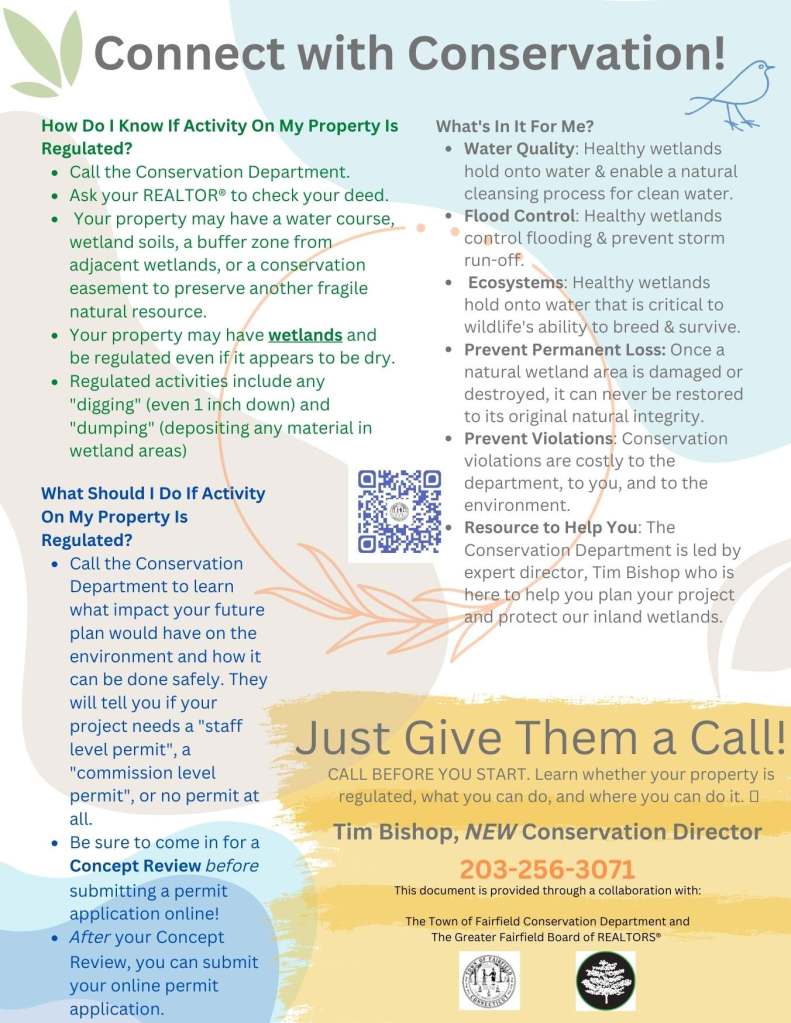
HOW DO I KNOW IF MY PROPERTY IS REGULATED?

Call the Conservation Department.
Ask your REALTOR® to check your deed.

Your property may have a water course, wetland soils, a buffer zone from adjacent wetlands, or a conservation easement to preserve another fragile natural resource.

Your property may have wetlands and be regulated even if it appears to be dry. Regulated activities include any “digging” (even 1 inch down) and “dumping” (depositing any material in wetland areas)

WHAT SHOULD I DO IF ACTIVITY ON MY PROPERTY IS REGULATED?

Call the Conservation Department to learn what impact your future plan would have on the environment and how it can be done safely. They will tell you if your project needs a “staff level permit”, a “commission level permit”, or no permit at all.

Be sure to come in for a Concept Review before submitting a permit application online! After your Concept Review, you can submit your online permit application.

WHAT’S IN IT FOR ME?!

Water Quality
: Healthy wetlands hold onto water & enable a natural cleansing process for clean water. Flood Control: Healthy wetlands control flooding & prevent storm run-off.

Ecosystems: Healthy wetlands hold onto water that is critical to wildlife’s ability to breed & survive. Prevent Permanent Loss: Once a natural wetland area is damaged or destroyed, it can never be restored to its original natural integrity. Prevent Violations: Conservation violations are costly to the department, to you, and to the environment.

Resource to Help You: The Conservation Department is led by expert director, Tim Bishop who is here to help you plan your project and protect our inland wetlands.

Just Give Them a Call!

CALL BEFORE YOU START. Learn whether your property is regulated, what you can do, and where you can do it.

Tim Bishop, NEW Conservation Director 203-256-3071

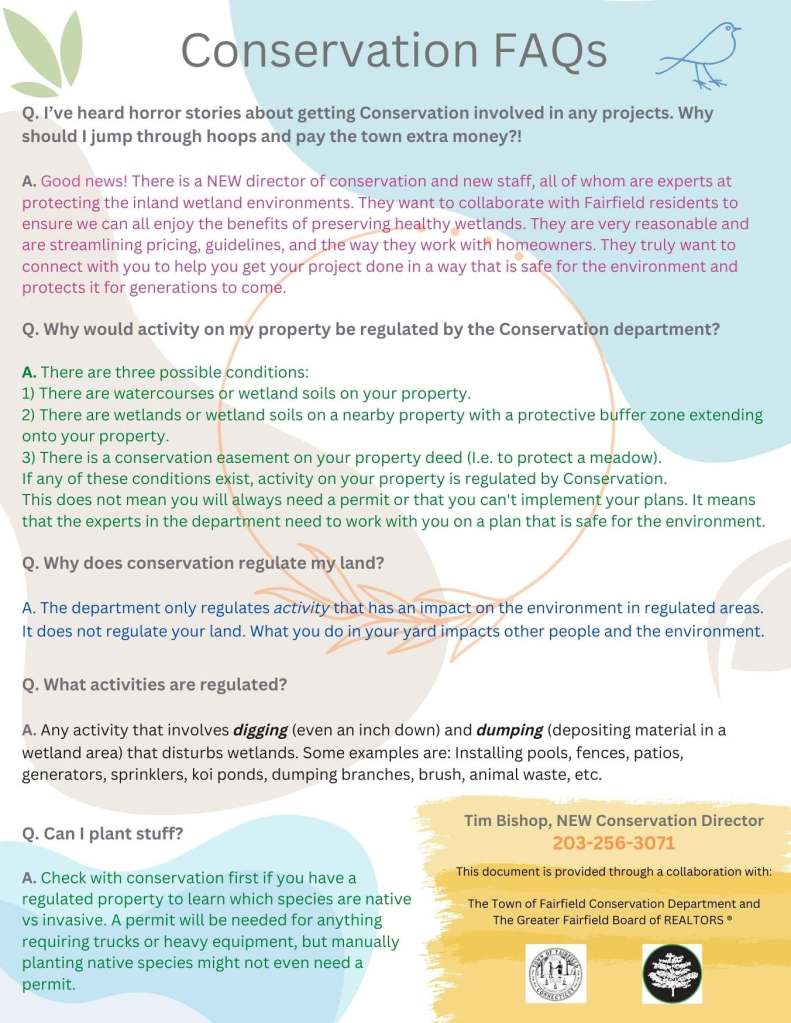
FAQS:

Q. I’ve heard horror stories about getting Conservation involved in any projects. Why should I jump through hoops and pay the town extra money?!

A. Good news! There is a NEW director of conservation and new staff, all of whom are experts at protecting the inland wetland environments. They want to collaborate with Fairfield residents to ensure we can all enjoy the benefits of preserving healthy wetlands. They are very reasonable and are streamlining pricing, guidelines, and the way they work with homeowners. They truly want to connect with you to help you get your project done in a way that is safe for the environment and protects it for generations to come.

Q. Why would activity on my property be regulated by the Conservation department?

A. There are three possible conditions:
1) There are watercourses or wetland soils on your property.
2) There are wetlands or wetland soils on a nearby property with a protective buffer zone extending onto your property.
3) There is a conservation easement on your property deed (I.e. to protect a meadow).
If any of these conditions exist, activity on your property is regulated by Conservation.
This does not mean you will always need a permit or that you can’t implement your plans. It means that the experts in the department need to work with you on a plan that is safe for the environment.

Q. Why does conservation regulate my land?

A. The department only regulates activity that has an impact on the environment in regulated areas. It does not regulate your land. What you do in your yard impacts other people and the environment.

Q. What activities are regulated?

A. Any activity that involves digging (even an inch down) and dumping (depositing material in a wetland area) that disturbs wetlands. Some examples are: Installing pools, fences, patios, generators, sprinklers, koi ponds, dumping branches, brush, animal waste, etc.

Q. Can I plant stuff?

A. Check with conservation first if you have a regulated property to learn which species are native vs invasive. A permit will be needed for anything requiring trucks or heavy equipment, but manually planting native species might not even need a

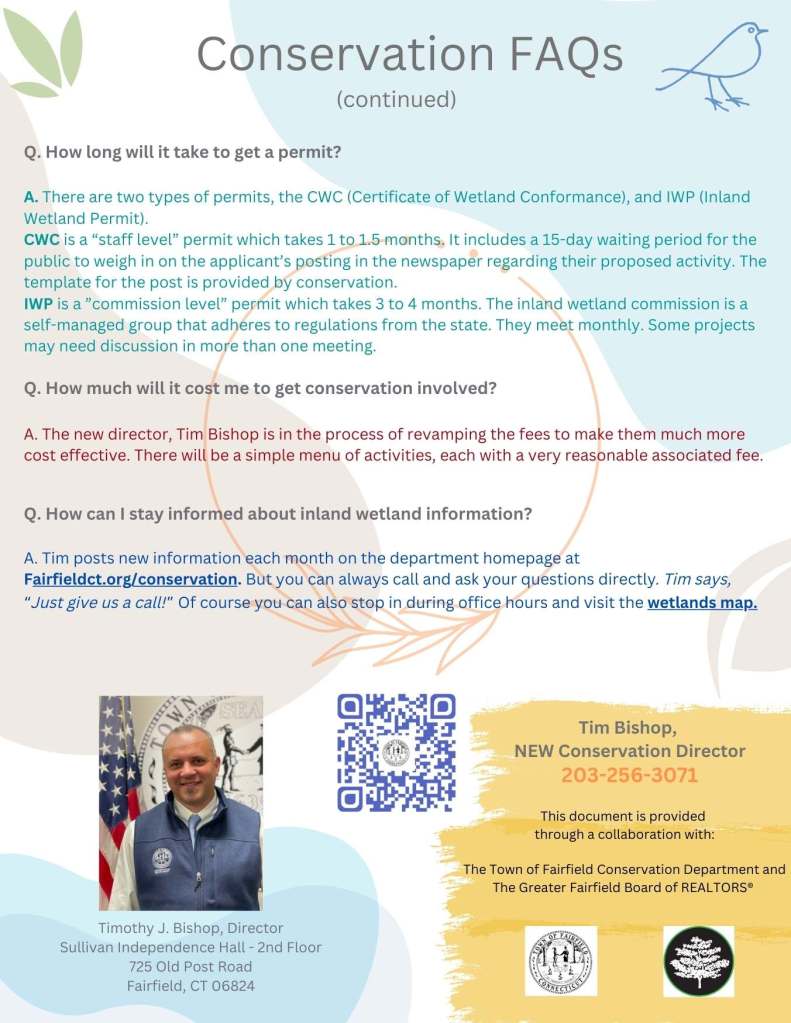
Q. How long will it take to get a permit?

A. There are two types of permits, the CWC (Certificate of Wetland Conformance), and IWP (Inland Wetland Permit).
CWC is a “staff level” permit which takes 1 to 1.5 months. It includes a 15-day waiting period for the public to weigh in on the applicant’s posting in the newspaper regarding their proposed activity. The template for the post is provided by conservation.

IWP is a ”commission level” permit which takes 3 to 4 months. The inland wetland commission is a self-managed group that adheres to regulations from the state. They meet monthly. Some projects may need discussion in more than one meeting.

Q. How much will it cost me to get conservation involved?

A. The new director, Tim Bishop is in the process of revamping the fees to make them much more cost effective. There will be a simple menu of activities, each with a very reasonable associated fee.

Q. How can I stay informed about inland wetland information?

A. Tim posts new information each month on the department homepage at Fairfieldct.org/conservationBut you can always call and ask your questions directly. Tim says, “Just give us a call!” Of course you can also stop in during office hours and visit the wetlands map.

If you are thinking of buying and/or selling a property and have questions, you can reach out to me below.

← Back

Thank you for your response. ✨


Leave a comment

The Calm Before the Storm (Irene)… and a Quick Update on the Housing Market

I live a good 0.8 of a mile from the beach, so I wasn’t as concerned about flooding as I was about the wind.

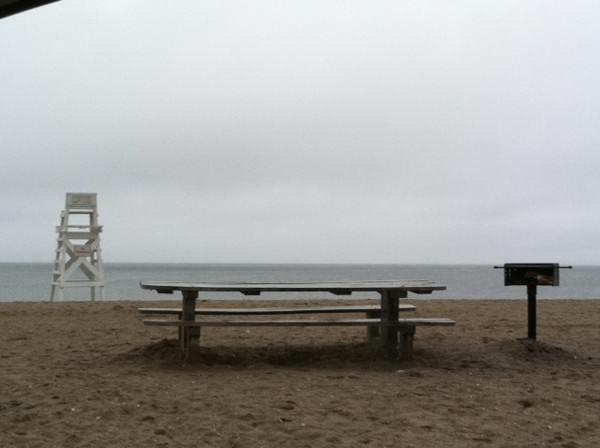
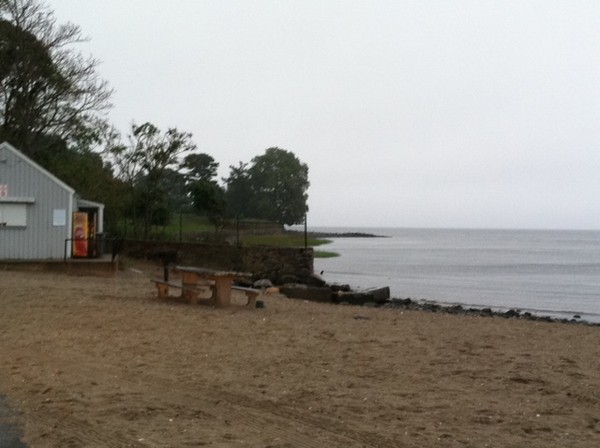
By the look of Sasco Beach Friday at 7 p.m., it was hard to imagine the rough tides, flooding and high winds to come.

CALM 1   CALM 2

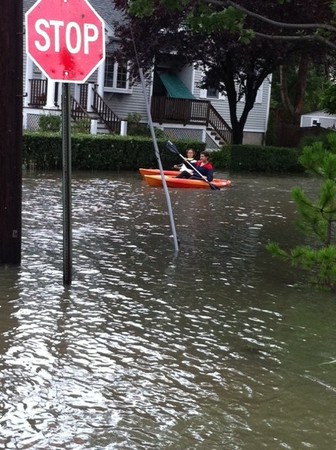
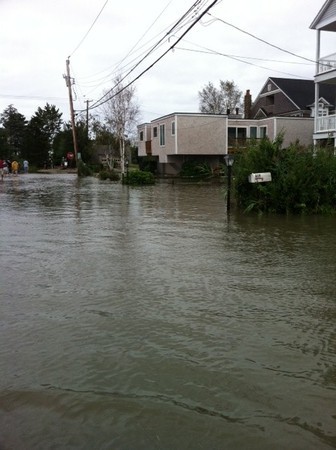
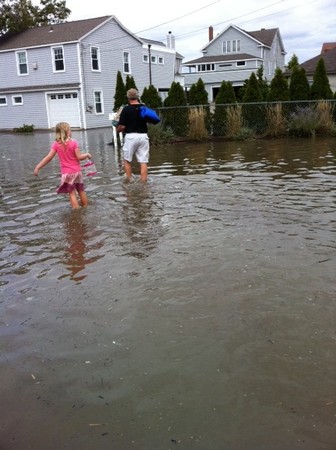
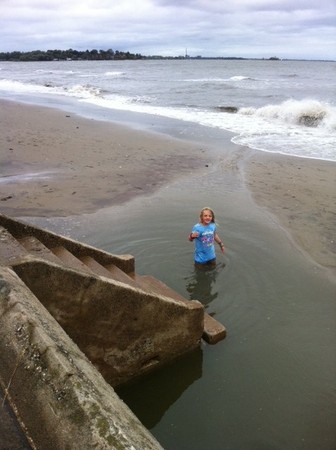
Nevertheless, I opted to pass the storm at my parent’s house in Westport. It so happened that our friends on Fairfield Beach Road were then able to spend Sunday night at our Fairfield house after returning from a Shelton hotel to find ample flooding around their home. The flooding extended more than a block inland from the shore!

CALM 3 CALM 4 CALM 6 CALM 5

A bit less dramatic this week, was our Fairfield housing market.

With 495 single family homes for sale at the time of this post, the inventory was lower by nine houses compared to last month and five homes compared to last year at this time. Seven percent of the homes had accepted offers which was consistent with binder counts at the end of August in the past three years and just one percent less than in July. Sixty listings were under contract for pending sale. This count was down by 74 contracts last month but up by five contracts from last year. Eighteen new single family listings hit the market during past week, and many more will likely follow suit as we recover from Irene and head into back-to-school mode.

Originally Posted on Fairfield Patch August 29, 2011 at 10:07 am