If only I had a nearby home office that could double as a guest space… I want my parents to downsize and live near us, but there just aren’t many options…. We need a smart retirement plan that reduces net living expenses and allows us to travel! I wish we had an income-producing opportunity on our existing property…
What is an ADU?
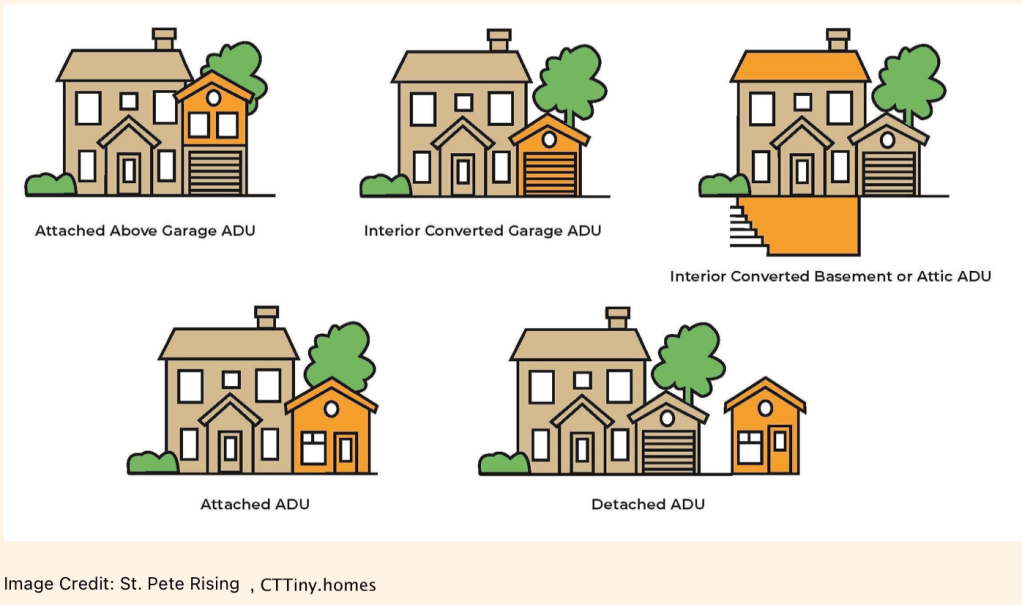
An ADU is a permanent living space that sits on the property of an existing home and includes its own entrance, sleeping quarters, a bathroom, and a parking space. It can be attached, detached, or even within the existing home. The ADU shares utility connections from the main house and is a fixed structure that is subject to all local zoning and permitting regulations. It can be as small as under 300 square feet or as large as around 1,000 square feet or more, depending on the town regulations. ADUs are permanent residences, unlike mobile homes or tiny homes, that are temporary in nature.
Cool Features
State of the art ADU construction emphasizes sustainability, accessibility, clever design, and excellent use of space. Some even have basements as a relatively inexpensive way to add utility within the footprint.
Accessibility features may include an elevator, barrier-free shower access (walk or roll right in!), shower grab bars, and easy handles in the kitchen.
Solar panels and insulated panel construction are examples of sustainability features
To maximize space, hanging toilets are often used, where much of the unit sits behind the wall. A spiral stair case or mini elevator can be great space-savers, and rooms with Murphy beds enable multi-purpose use. A design that allows for ample natural light is key in maximizing the feeling of spaciousness.
What Are the Benefits of an ADU?
Referred to as “the perfect housing solution” by expert and author of several books on the subject, Sheri Khoones, ADUs can serve many purposes. They can be a great solution, for blended families, adult children, live-in care-givers, vacation space, guests, office space, aging in place near family, earning rental income, and adding value to your property.
How Long Does it Take to Add an ADU?
You are essentially building a home, though small, so all of the same steps apply. These include a survey, feasibility determination, site work, permitting and approval process, design, material orders, utility connections, and inspections. It can take three to six months for the materials to arrive after town approvals. Therefore, the timing can range from six to 12 months.
How Much Does it Cost?
The cost can range from $250,000 to $450,000 for a detached ADU in Fairfield County. The key variables are size, whether it’s attached or detached, the site work, utility requirements, building methods, such as pre-fabricated or not, customization, and finishes. Other areas in Connecticut may cost less. A converted garage would also cost less.
=> Inspiration – For more information and inspiration about ADUs in Connecticut and across the country, local author, Sheri Koones has written a number of books.
=> Town Regulations
Zoning regulations vary by town, and ADUs fall under the Affordable Housing department. CoThese are some of the key regulations for ADUs in Fairfield:
Ownership: The principal owner must occupy either the main house or the ADU.
Size: The ADU cannot exceed 40% of the floor area of the existing house or 1,500 square feet, whichever is less.
Attached: An ADU must be attached to the primary residence in R-2, A, B, and C zones, unless a variance is approved.
Detached: An ADU can be detached in AAA, AA, and R-3 zones.
Occupancy: Maximum of 2 people for standard ADUs, or 3 people if designated as affordable housing.
Parking: At least one off-street parking space is required.
Rental Period: Units cannot be rented for less than 60 consecutive days.
Design & Location: Detached or attached ADUs are allowed, including garage conversions.
Approval Process: The Town Plan and Zoning and Health Departments must approve all projects, which often includes submitting an A-2 survey.
Conforming: Lots must be conforming, or a variance would be needed.
Affordable Housing: ADUs can qualify for affordable housing subject to town and Connecticut 8-30g regulations.
The links below provide more information on zoning regulations in nearby towns and how to proceed if you want to add an accessory apartment to your home.
At midlife, many of us begin to feel that our environment no longer aligns with who we’ve become. A relocation isn’t just about changing a street address—it’s about reshaping your way of being: where you live, how you work, and what you aspire to next. Research shows that moving at this life stage can open fresh habits, renewed purpose and better alignment between lifestyle and career.
Major Takeaways
Midlife is your moment. A move during this phase can serve as a strategic reset—offer a new home that fits your evolving self, pick a neighborhood that reflects your future rhythms, and make real estate decisions that support your personal and professional growth.
Real Estate & Lifestyle: Practical Considerations
To make the move count, choices matter. Consider:
● Location: Are you close to transit, nature, culture hubs? That daily rhythm will shape your life. Consider Fairfield, Connecticut, for example.
● Layout & maintenance: A single-level house, smaller footprint, less upkeep may support flexibility and freedom. Consider temporary storage to lighten the load when making a transition.
● Budget and tax clarity: Midlife moves often coincide with lifestyle shifts—know the cost of living, property taxes and long-term affordability.
● Neighborhood vibe & community: The place you land should match the values and habits you’re cultivating now—not just the past.
● Career & growth alignment: Whether you’re pivoting in job, returning to education, or consulting remotely, choose a home and locale that support those ambitions.
How-To Checklist: Mapping Your Midlife Move
● Clarify your “why” — write three reasons you’re relocating.
● Audit your current lifestyle — list what works, what doesn’t.
● Visit target neighborhoods — stay 1–2 nights, see the rhythm.
● Workout the finances — consult with a trusted lender to discuss down payment, taxes, HOA, cost of living.
● Match the home to your future self — list must-haves (structure, light, flexibility) vs nice-to-haves.
● Set a 90-day plan post-move — attend a class, volunteer, host a dinner.
● Review at 6 months — how’s it fitting? What tweaks are needed?
As part of your midlife relocation, consider re-entering education to sharpen your skills or redefine your career path. Whether you’re earning new credentials or deepening expertise, going back to school can reinforce the fresh start. Online degree programs make it easier to juggle your job and keep up with your studies.
FAQ
Q: Isn’t moving in midlife risky? A: It can feel risky, but many people in their 40s, 50s, and beyond are making thoughtful moves and finding new alignment—not just change. (Careerminds) (Next Chapter Magazine)
Q: Should I sell my current home first or buy then sell? A: It depends entirely on your market, finances, and emotional readiness. Some benefit from renting in the new area first to test the environment.
Q: How do I build new social ties in a new place? A: Actively show up. Volunteer, attend local events, join local clubs. Belonging is built by presence and connection, not by default.
Product Spotlight If you’re redesigning how you plan and live, consider using a LifePlanner, a customizable weekly/monthly planner that helps you track moving tasks, lifestyle goals and routines. It’s a fitting tool when you’re orchestrating a major life shift and want intentional structure.
Relocating in midlife isn’t about starting over—it’s about starting better. When you align where you live with who you are becoming—physically, socially, professionally—you unlock a lifestyle that’s more meaningful, manageable and exciting. Choose the right home in the right neighborhood, weave in your career or learning ambitions, and lean into the community you want to build. The address isn’t everything—but the right one can make all the difference!
By Guest writer, Sharon Wagner and Connecticut Realtor, Linda Raymond, William Raveis Real Estate
You Will Be When You Understand Today’s Market and Navigate It With Intention.
As we navigate Thanksgiving weekend—a time when everyone is juggling travel, family, shopping, and the early holiday rush—it’s completely normal to feel overwhelmed by all the noise. Headlines about interest rates, housing shortages, national trends, economic uncertainty… it’s a lot.
And if you’ve been wondering whether right now is a good time to buy, sell, invest, or simply stay put, you’re not alone. These questions are on everyone’s mind this time of year, especially in dynamic markets like Fairfield and Westport, CT.
But here’s the truth:
**It’s not the market that creates certainty.
It’s your understanding of the market that does.**
Just like holiday shopping, the housing market is full of fast-moving changes, mixed messages, and big decisions. But the people who feel confident this season are the ones who:
Know what the current landscape actually looks like
Understand how supply, demand, and pricing are behaving
Have a clear strategy that aligns with their personal timing and goals
And that’s where your advantage lies.
Why Real-Time Local Market Data Matters More Than Ever
National news can make the market feel unpredictable, but real estate is hyper-local. What’s happening in your town, your neighborhood, your price point, and your style of home tells the real story.
That’s why I’ve created live, real-time market reports for:
Fairfield
Westport
And soon, key neighborhoods within both towns
These reports update automatically and show the metrics that matter—prices, inventory, demand, pending sales, days on market, and more. No delays. No guesswork.
Knowledge = Confidence
When you understand the true market conditions, decisions become clearer, timing becomes simpler, and opportunities become easier to recognize.
Your Personal Strategy Starts With Understanding the Market
Whether you plan to sell in the spring, explore downsizing, consider upsizing to meet lifestyle changes, or watch for buying opportunities—your strategy should be built on today’s data, not yesterday’s headlines.
This is how you stay ahead:
Track your town or neighborhood with real-time reports
Reach out to discuss your goals
Together, we build a strategy based on facts, not uncertainty
Start Here: Get Your Free Real-Time Market Report
I invite you to get the real-time market report for the area(s) that matter most to you.
Who doesn’t love a quick, easy, low-fat, high-protein, nutritious meal on a “chilly” day? Here’s how to make my Spicy Chipotle Turkey Chili!! 🍲
Main Ingredients
1 pound lean ground turkey
1 red pepper, chopped into quarter-inch pieces
1 small can of Mexican corn, drained
1 can of dark red kidney beans, drained
1/3 small can of Chipotle peppers, chopped (or less if you don’t like it too spicy!)
2 cloves of garlic, chopped into small pieces
Your favorite tomato sauce. I tried a spicy honey tomato sauce that worked nicely.
Chicken broth
Spices
Pepper
Cumin
Turmeric
Smoked paprika
Cilantro, if desired. You can add it dried while cooking or put some fresh cilantro on top when the chili is ready.
Toppings
Shredded cheddar or Mexican cheese blend
1 avocado, cut into chunks or slices
Low-fat sour cream
Instructions
Spray the frying pan with avocado or olive oil to prevent sticking, and cook the turkey meat, breaking it up into small bits with as it cooks. Add some salt and pepper as it nears completion.
Add the red pepper and sauté, followed by the garlic, being carefully not to burn them.
Once the red pepper and garlic are softened, add the chopped chipotle peppers and some of the sauce, and cook another minute or so.
Next, add the corn, beans, about 1/2 cup of tomato sauce and about 1/2 cup of chicken broth. Simmer until the sauce is the consistency you like, and you are ready to eat.
Serve in a bowl topped with shredded cheese, a healthy serving of avocado, and sour cream, and your favorite chips or cornbread. Enjoy!!
If you’re like most home sellers, you have many important questions on your mind 🧐 such as…
Click image for video clip:
📲 What should I list my home for? 📲 How do I get top dollar in the current market? 💰 📲 How long will it take to sell? ⏳ 📲 Do I need to do renovations, updates, or staging before listing? Which ones give ROI? 📲 How do I navigate multiple offers?  📲 How do commissions work now? 📲 What are the fees, closing costs, net proceeds? 📲 If our home doesn’t sell quickly, what’s the backup plan? 📲 How do I coordinate my sale with my purchase? I will not be homeless! 🏡 🏡
This is why you want to call a top realtor in the Fairfield and Westport CT area, like Linda Raymond at William Raveis in Southport with nearly 100 online five-star client reviews saying she has incredible patience, she listens carefully, she works tirelessly for you and truly has your best interests and priorities at heart, that she is a tech-savvy and creative marketer for your home, and that she has the communication skills it takes to help you feel informed and to navigate all the players to get you the best outcome.
Deciding to return to school as an adult is bold, commendable—and expensive. For many professionals, the roadblock isn’t ambition, it’s funding. While scholarships, tuition reimbursement, and side hustles are common solutions, some adults are exploring a more unconventional path: house flipping. With the right resources, timing, and risk tolerance, real estate investment can serve as more than a business—it can be a potential bridge between your current career and your academic future. But is it realistic for someone balancing a full-time job? Let’s break down the possibilities, pitfalls, and planning steps before you swing that first hammer.
Know Your Market Before You Bet on It
Before jumping into renovations, know what you’re getting into. Success in flipping isn’t about the prettiest backsplash—it’s about buying the right property at the right time in the right location. That means deeply analyzing demand in local markets, understanding buyer behavior, and knowing which home features sell fast. Skip this and you risk holding a property that drains your budget instead of building it. Look for neighborhoods with strong resale activity, growing job markets, and minimal permit red tape.
Financing: Don’t Let the Loan Sink the Lesson Plan
Paying cash for a flip is ideal but rare—most adult flippers rely on outside capital. Choosing your funding method affects your timeline, margins, and flexibility. From hard money lenders to home equity lines, each option has its quirks. The key is matching your loan structure to your skill level and timeline. Novices should avoid short-term balloon payments that force a quick sale, while more experienced flippers might use tighter financing to accelerate returns. Spend time comparing your choices and compare top fix‑and‑flip loans to ensure the numbers work in your favor.
Budget Like You’re Running a Business, Not Just Paying Tuition
House flipping requires serious cost discipline—this isn’t the time to guess. Every dollar you miscalculate comes straight out of your tuition fund. Begin with a line-item renovation budget that includes labor, materials, permits, utilities, holding costs, staging, and a buffer for overages. Then triple-check your resale comps to set a realistic after-repair value (ARV). Successful flippers don’t win with the prettiest houses—they win by mastering margin math. Use a step‑by‑step flip budgeting guide to lock in your numbers before the demo begins. The more granular your plan, the easier it is to keep your emotions out of it.
Follow the Rules—or Risk Delaying Both Your Flip and Your Future
Each city and state has its own rules for building permits, renovation standards, and real estate transactions. Violate one and you could face delays, fines, or worse—complete project shutdown. This isn’t just about avoiding a citation; regulatory blind spots can kill your flip timeline and budget. Be proactive: contact your local planning department, confirm zoning restrictions, and understand disclosure laws. Partnering with a knowledgeable real estate attorney or agent can be a smart move. Navigating essential flipping regulations is a skillset that pays dividends in time, money, and sanity.
Learn From Rookie Mistakes Before They Drain Your Degree Fund
Even smart, motivated flippers make costly mistakes—especially early on. Underestimating renovation timelines, overpaying for cosmetic upgrades, skipping inspections, or misjudging your buyer pool can unravel your profits fast. The best way to dodge these traps? Study real examples of what not to do. Keep a checklist of red flags. Take notes. Be ruthless with your numbers, your contractors, and your own expectations. Avoid preventable disasters by learning from first‑timer flipping errors and keeping your expectations grounded. Learn from others’ cautionary tales, not just their highlight reels.
Pair Flipping with Smart Education Choices The most overlooked resource in real estate investing isn’t a hammer—it’s your mind. One place to learn about business risk management while keeping your schedule intact is through flexible online programs. If you’re serious about making flipping a financial stepping stone to college, consider a program that strengthens your business acumen while supporting your time constraints. Flexible, accredited options offer coursework in budgeting, operations, and project management. These aren’t just academic—they’re immediately applicable to your flips.
Flipping houses to fund your return to school isn’t a silver bullet—and it’s certainly not for everyone. It requires capital, grit, and the willingness to treat your education goal like a business venture. But for adults with renovation savvy, strong support systems, and the drive to pair financial returns with academic ambitions, flipping can be more than just a side hustle. It can be a bold—if risky—bridge to the next chapter of your career.
Discover the charm of coastal living with expert insights from the Linda Raymond Real Estate Blog and make your dream home in Fairfield or Westport, CT a reality today!
Linda Raymond, Beach-Loving Realtor in Fairfield & Westport, CT
Are you beach-obsessed like me? Whether you’re scouting your dream coastal home or simply love sandy toes and sea breezes, here’s something fascinating to add to your salt-sprayed passion—horseshoe crab conservation right here in Fairfield and Long Island Sound!
Why horseshoe crabs should make your “must-care-about” list:
Ancient ocean buddies – These “living fossils” have been cruising the seas since the dinosaur era. Still going strong, though their numbers are shrinking. Connecticut Public
Vital shoreline guardians – They help keep beaches and marine ecosystems healthy by digging and redistributing nutrients—kind of like nature’s little environmental engineers. Long Island Sound Study
When and where will you see them? – The prime time to observe horseshoe crabs is at the water line during high tides that coincide with the new and full moons. They are nocturnal, but you can still see them during the day.
Resilient survivors – Horseshoe crabs can tolerate extremes—pollution, low oxygen, changing salinity—making them tough but not invincible. Connecticut Public
How Fairfield is helping – Sacred Heart University’s Project Limulus has tagged nearly 100,000 horseshoe crabs to study their population trends and movements. Sacred Heart University
Community-powered science – Local volunteers, students, and beachgoers join in tagging events—you don’t need to be a scientist to help. Long Island Sound Studyfairfieldct.org
Tagging’s on the calendar – Recent events in June 2025 include one at Fairfield’s Southport Beach with over 50 crabs tagged. fairfieldct.org a session at Milford Point. ctaudubon.org
See a tagged crab? – If you spot one with a white disc or yellow tag, don’t just marvel—report it! You can call or enter the tag info online here: [Report a horseshoe crab tag if found] (Fairfield’s official page) fairfieldct.org Plus you can get a pin and certificate! 🪪
Do they bite or pinch? – No, horseshoe crabs cannot bite or sting. Despite their intimidating appearance with a spiked tail and sharp-looking legs, they are harmless to humans. Their tail is used for steering and flipping themselves over, not for defense.
Let’s make a difference together—and maybe find your perfect beachside home along the way!
If you’re curious about how conservation efforts tie into our local real-estate scene—like coastal protection, sand dune preservation, or sustainable building near our beaches—drop me a line! I’d love to connect homes to habitats you truly care about.
If you’re planning a kitchen renovation and thinking ahead to resale, you’re making a smart move — especially here along the Gold Coast in Westport and Fairfield, where thoughtful updates can set your home apart from others on the market.
And if you’re considering sustainable upgrades along the way? Even better. Today’s buyers are not only drawn to beautifully designed kitchens — they’re also looking for homes that are more efficient, environmentally friendly, and aligned with modern values.
💡 The Data: Buyers Are Asking for Energy Efficiency
According to the National Association of Realtors 2023 Sustainability Report,
63% of Realtors said promoting energy efficiency in listings is valuable.
Nearly half of all buyers are interested in sustainability and green features.
And from Zillow’s Consumer Housing Trends Report:
60% of homebuyers said they would pay more for a home with energy-efficient features — especially kitchens with updated appliances and smart design.
Younger buyers in particular are driving this trend, and they’re not just dreaming about eco-conscious living — they’re shopping for it.
🍽️ Smart, Sustainable Upgrades to Consider
As you plan your kitchen renovation, here are a few upgrades that add style, improve efficiency, and speak directly to what buyers want:
ENERGY STAR® Appliances – Efficient refrigerators, dishwashers, and microwaves that lower utility bills and appeal to buyers focused on long-term value.
LED Lighting – Energy-saving fixtures that modernize your space and reduce consumption.
Low-Flow Faucets – Subtle, stylish upgrades that conserve water and increase appeal.
Sustainable Surfaces – Recycled glass countertops, bamboo flooring, or FSC-certified cabinetry offer durability with eco-conscious flair.
Better Insulation & Ventilation – Ideal for coastal homes where climate control is key to comfort and energy use.
🏡 How I Maximize the Value of Green Features in Your Sale
When it comes time to sell, I make sure these eco-friendly choices don’t go unnoticed. Here’s how I bring their value front and center:
✅ Feature Highlighting – I call out sustainable elements in the MLS listing, brochures, social posts, and property descriptions with attention-grabbing language and targeted keywords.
✅ Energy-Efficiency Messaging – I tie the green features to long-term savings and buyer peace of mind, which resonates with both cost-conscious and environmentally aware shoppers.
✅ Appeal to the Modern Buyer – I tailor marketing to appeal to today’s buyer — especially Millennials and Gen Z — who are actively seeking homes that reflect their values.
✅ Lifestyle Framing – It’s not just about efficiency — it’s about lifestyle. I show how your kitchen supports wellness, smarter living, and even resale value down the line.
✨ In a Beachside Home, Efficiency Matters Even More
Homes by the water, like those along the Fairfield County shoreline, can come with higher exposure to weather and energy use. A well-designed, sustainable kitchen adds functional and emotional value — something I highlight strategically in every showing and piece of marketing.
📸 Picture this Concept: Eco-Chic Coastal Kitchen
Style: Modern coastal with clean lines and a light, airy feel
Cabinetry: Sleek white or soft matte gray shaker cabinets
Countertops: Recycled glass or light quartz surfaces
Appliances: Stainless steel, ENERGY STAR® rated (subtle labeling optional)
Lighting: Minimalist LED pendant lights (think matte black or brushed nickel)
Flooring: Bamboo, cork, or warm-toned sustainable wood
Natural elements:
A small potted herb garden on the windowsill or counter
Bowl of lemons or a vase with greenery
Large window letting in natural light
Beachy accents:
Subtle sea glass tones (light blue or soft green) in backsplash or decor
Coastal artwork or a driftwood tray
Let’s Position Your Kitchen for the Highest Return
If you’re making eco-friendly upgrades with an eye toward a future sale, I can help you maximize their impact when the time comes to list. When marketed the right way, a green kitchen does more than save energy — it attracts the right buyer, builds value, and helps you stand out in a competitive market.
Call to Action: 📩 Have questions about which features buyers value most — and how to spotlight them when you sell? Let’s connect. I’d love to help you position your home for top dollar.
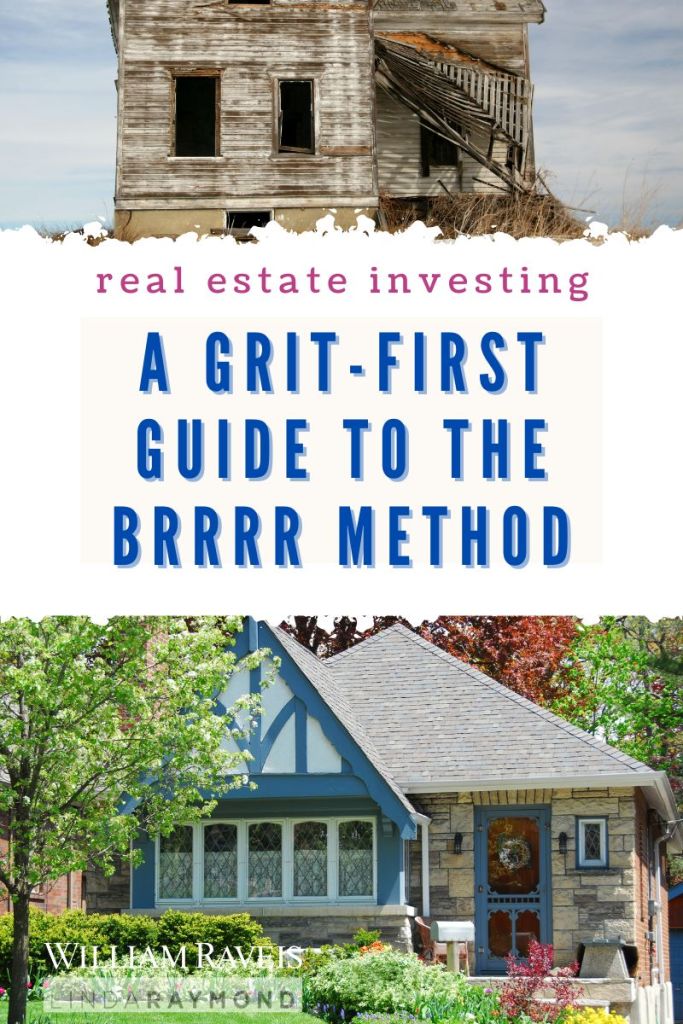
If you’re serious about building wealth through real estate, you’ve probably heard the acronym BRRRR whispered in investor circles like some kind of money spell. It’s not magic—it’s a method. Buy, Rehab, Rent, Refinance, Repeat. It’s a strategy that’s exploded in popularity over the past decade, not just because it works, but because it works in a way that feels accessible. You’re not betting the farm on a flip; you’re stacking equity, reclaiming capital, and—if you’re smart—locking in a passive income stream that pays for years. But let’s not get ahead of ourselves. This isn’t just a rinse-and-repeat formula. It’s a blueprint that demands precision, timing, and a whole lot of grit.
Understanding the Market Beyond the Buzzwords 📉
First off, if you’re going to make the BRRRR method work, you have to actually know your market—like, really know it. That means partnering with your local Realtor for a clear understanding of, not just where the hot zip codes are, but what the local tenants want, what the city ordinances allow, and how the neighborhood is evolving. You don’t want to be the investor who jumps on a cheap property in a declining area, thinking you’ve struck gold, only to find there’s no real path to appreciation or consistent renters. Take walks around the block, talk to the neighbors, pull up zoning maps, and get intimate with local trends. The BRRRR strategy thrives in markets with value-add opportunities and rental demand—not in places where growth has flatlined.
Your Contractor Can Make or Break You 👷🏽♂️
Let’s talk rehab—because this is where your margins either breathe or suffocate. You cannot, and I repeat, cannot afford to fumble here. Get multiple quotes, yes, but go deeper than that. Ask for references, check portfolios, walk past projects they’ve worked on. Your contractor needs to understand your goals and timeline, and you need to keep tight control of your budget. The BRRRR method hinges on forced appreciation—so if you’re not improving the asset in a way that a lender or appraiser will recognize, you’re just throwing good money after bad. Choose finishes that appeal to renters but don’t break the bank.
Branding in Your Back Pocket ⚜️
When your realtor is promoting your rental, they should have a branded card from you to showcase your credibility as a general contractor and/or landlord. Sharing a business card might seem old school, but when you’re showing a unit or chatting with a potential renter, it’s a smooth, personal way to stay top of mind. It says you’re not just some random landlord—you’re someone who takes this seriously. Instead of grabbing a basic design online, take a few minutes to make something that actually feels like you. You can use a tool to create your business card print template that makes the whole process easy, with solid templates, smart design features, and editing tools that don’t make you want to throw away your laptop.
Renting Is a Science, Not a Side Note 🧬
Too many new investors treat the “rent” phase like a victory lap. It’s not. It’s the litmus test. If you can’t get reliable tenants paying the right amount in a reasonable timeframe, everything after this falls apart. That’s why you need to work with your Realtor to understand the market and set realistic rents based on hard comps, not wishful thinking. Your Realtor will use an online screening tool to generate a credit and background report on your potential tenant, and your prospect will pay upfront for this service! Screen your tenants like you’re hiring a business partner—because that’s what they are. A bad tenant can wipe out a year’s worth of profits, so don’t skip the background check or the call to previous landlords. Remember to get your Rental Certificate of Occupancy, and don’t underestimate all that’s involved with becoming a landlord.
Refinancing Isn’t Free Money—It’s Strategy 💰
This is where the amateurs get sloppy. The refinance stage is not just a matter of walking into a bank and walking out with a check. Lenders will want to see solid leases, seasoned tenants, proper permits, and an appraised value that justifies your improvements. Timing here is critical. Refinance too early, and your appraisal might not reflect the real value you’ve added. Wait too long, and you’re tying up capital that could be deployed into your next deal. Know the seasoning period your lender requires—some want six months, others more. If you know your break-even point, you will be able to leverage refinancing to optimize your investment.
Leverage Is Your Friend, Until It’s Not ⚖️
It’s tempting to max out your cash-out refi, especially when the numbers look good on paper. But too much leverage turns your cash-flowing unicorn into a liability the minute interest rates tick up or your property sits vacant for a month. Build in cushions. Leave some equity in the deal. Keep reserves. The whole point of BRRRR is to be nimble and to build a portfolio that funds itself—not to become house-poor with five properties and no safety net. Just because the bank says you can borrow it doesn’t mean you should.
Buy the Block Backwards! –Scaling Without Losing Your Shirt 📈
Once you’ve done one BRRRR, it’s easy to get hooked. You feel like you’ve cracked a code. But scaling isn’t just doing the same thing more times. It means systematizing the process: having reliable teams, repeatable processes, and, most importantly, liquidity. You have to get comfortable managing debt, juggling timelines, and solving problems fast. And let’s not forget: more properties mean more maintenance, more risk, and more tenants. If you’re not ready for that level of management, your portfolio will start to feel like a second job you can’t quit. Growth is good—but only if it’s sustainable.
Unexpected Costs Are the Only Guarantee 🤔
Look, Murphy’s Law lives in real estate. A hidden foundation crack, an AC unit that quits mid-July, a surprise city inspection—these aren’t exceptions, they’re eventualities. You’ve got to budget for the unknown, and I’m not talking about some vague 10% contingency. Really dig into what could go wrong and run your numbers like it already did. This is the difference between a plan and a pipe dream. The best BRRRR investors are cautious optimists—they hope for appreciation but plan for a pipe burst.
If you’re still excited, then you’re probably cut out for this. The BRRRR method is not a casual strategy. It’s not sexy. It doesn’t promise overnight success or passive riches from day one. But it works. If you do your homework, build your team, and keep your emotions out of your spreadsheets, it’s one of the most powerful tools in real estate investing. Just remember: this isn’t Monopoly. It’s your money, your time, your future. Treat every deal like it matters—because it does.
This post is for informational purposes only and isn’t meant to be legal or financial advice. Everyone’s situation is different, so before you jump into any deals, be sure to talk with a qualified attorney, CPA, or real estate pro. Do your due diligence—your future self will thank you!


















 Fairfield and Westport CT Real Estate Guide