


Yes, definitely reach for the hot chocolate! But first make sure you are proactive about protecting your pipes, especially those that are most vulnerable to freezing. Think about your exterior pipes, pool plumbing and any uninsulated pipes.
Our regional insurance expert, Robert Reade of William Raveis Insurance just sent out the important bulletin below that I wanted to share it with you, especially if this is the first winter you are in a new home or have a new pool.
Good Afternoon, With the temps dropping here in CT this weekend to -35 degrees with the wind chill in some areas I thought it would be good to send a reminder on how to prevent frozen pipes.
Homeowners everywhere in the Northeast need to consider the risks of frozen pipes in their homes. Water damage and freezing claims were the second-most frequent type of claims filed in the United States between 2016 and 2020.
Water damage and freezing claims were the second-most frequent type of claims filed in the United States between 2016 and 2020.
Homeowners who file these claims lose an average of $11,650. About one in 62 insured homes make a claim related to water damage or freezing each year.
Though these are troubling statistics, you can avoid frozen pipes and water damage claims by learning how pipes freeze, taking preventative action, and investing in some tools.
You can avoid frozen pipes and water damage claims by learning how pipes freeze, taking preventative action, and investing in some tools.
No matter where you live, these four types of pipes tend to be the most vulnerable to freezing:
- Uninsulated pipes
- Pipes on the exterior of the home
- Pipes located in attics, garages, basements, crawl spaces, or other uninsulated areas
- Copper or galvanized steel pipes
There are other areas in homes that are susceptible to freezing, as well. The connectors and hoses on washing machines, dishwashers, and water heaters are vulnerable to freezing as they can become brittle and break. Sinks and showers also pose potential hazards.
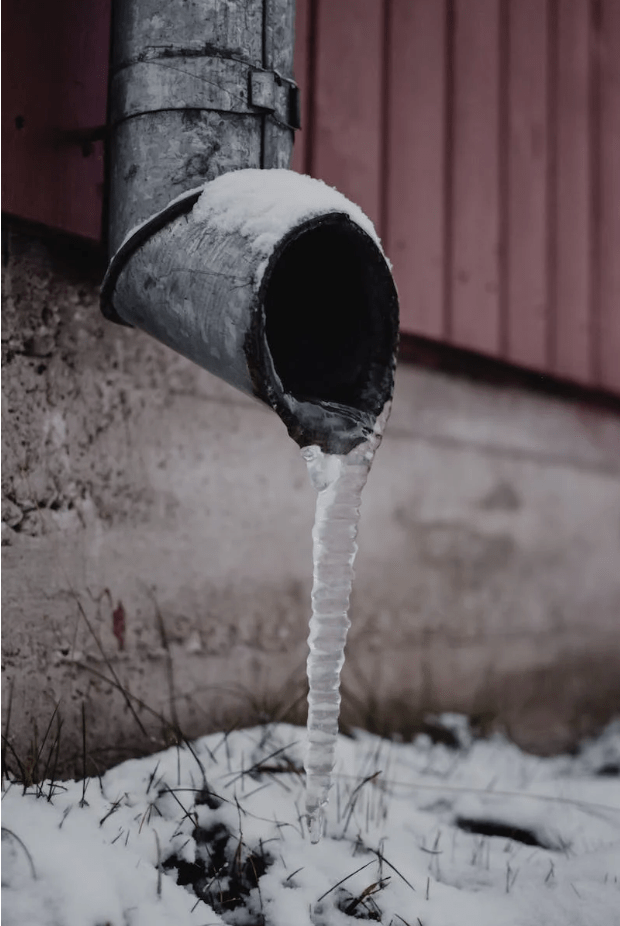
Outside, spigots, sprinkler systems, and swimming pool lines might not be as well insulated as indoor plumbing and could be the first points to collapse during a hard freeze.
How to prepare your pipes for colder weather:
- Drain, remove, and store outdoor hoses to keep them from becoming fragile or tripping hazards after a snowfall or freeze. Also, drain water from outdoor lines, such as those connected to swimming pools and sprinklers.
- Open outdoor hose spigots but close the inside valves that supply them with water.
- This process causes the water to drain and—in the event of a freeze—expand without bursting a pipe.
- If you go on an extended vacation, turn off the water to the home and open all the faucets to drain any water remaining in the pipes.
- Insulate water supply lines and pipes in the garage, basement, attic, and other unheated areas with foam, heating cables, or pipe sleeves. Do the same for pipes under kitchen and bathroom sinks.
- Make sure your home is enclosed and insulated.
- Find and seal any cracks, drafts, and holes in the home’s exterior. Even small openings can welcome cold air inside, which impacts pipes and heating bills.
- Enclose crawlspaces and insulate the attic. The added layer of insulation keeps warm air in and cold weather out.
- Close the garage door to keep heat inside, especially if it closets water supply lines, the water heater, or a washing machine.
- Keep the thermostat at a consistent setting—no lower than 60º Fahrenheit—during the day, night, and when you’re on vacation.
- You might see a higher utility bill, but it’s cheaper than water damage costs.
- Open the cabinet doors when temperatures fall below 32º Fahrenheit.
- Opening cabinets allows warm air to circulate around kitchen and bathroom plumbing.
- Let hot and cold water trickle through your pipes during frigid nights to help prevent them from freezing.
- Find a local plumber. In the worst-case scenario, you should have the number of a trusted plumbing professional on hand.
There are products out there to help prevent frozen pipes and protect pipes against bursting. The Resideo Wi-Fi Leak & Freeze Detector can be purchased on Amazon for only $80. It can sense your homes moisture, temperature and humidity changes. It’s an early warning system when weather changes and pipes are in danger of freezing. There are many other products out there that can help aid in preventing substantial damage from burst pipes, such as pipe heating cables for vulnerable pipes, insulated pipe tape, outdoor faucet/spigot covers, just to name a few.
If the pipes freeze, it’s tempting to head to the nearest hotel for some running water, but don’t be hasty. Follow these steps to keep a freeze from becoming a disaster:
- Shut off the main water valve.
- Call a plumber if the frozen pipe is in an area you can’t reach—like underground or in an interior wall.
- Use warm air to help thaw the pipes if you can access the frozen pipe. You can use a hair dryer, heat tape, or a quality space heater, but don’t leave it unattended—they can catch on fire.
- Slowly turn the water back on, watching for leaks. You may need someone to assist you with this step.
- Repeat steps three and four if the water doesn’t resume flowing immediately.
If a pipe bursts before you can thaw it, immediately shut off your water to prevent a flood. Mop up any mess you can reach and contact a plumber. Once the plumber assesses the damage, get started on an insurance claim.
Be safe and stay warm! Let me know if you have any questions, 860-690-5052.
Robert
Robert S Reade CPRIA, ANFI, LUTCF, MAOL
William Raveis Insurance
CT, NY, FL, MA, RI, VT, NJ, ME, PA, AZ
860-690-5052 – Cell


 Fairfield and Westport CT Real Estate Guide