

Fairfield and Westport CT Real Estate Guide

Local insights on buying, selling, and living in Fairfield County


Leave a comment

Betting on Bricks 🏠: Using Real Estate to Support Your Advanced Degree Dreams 🎓

Deciding to return to school as an adult is bold, commendable—and expensive. For many professionals, the roadblock isn’t ambition, it’s funding. While scholarships, tuition reimbursement, and side hustles are common solutions, some adults are exploring a more unconventional path: house flipping. With the right resources, timing, and risk tolerance, real estate investment can serve as more than a business—it can be a potential bridge between your current career and your academic future. But is it realistic for someone balancing a full-time job? Let’s break down the possibilities, pitfalls, and planning steps before you swing that first hammer.

Know Your Market Before You Bet on It

Before jumping into renovations, know what you’re getting into. Success in flipping isn’t about the prettiest backsplash—it’s about buying the right property at the right time in the right location. That means deeply analyzing demand in local markets, understanding buyer behavior, and knowing which home features sell fast. Skip this and you risk holding a property that drains your budget instead of building it. Look for neighborhoods with strong resale activity, growing job markets, and minimal permit red tape. 

Financing: Don’t Let the Loan Sink the Lesson Plan

Paying cash for a flip is ideal but rare—most adult flippers rely on outside capital. Choosing your funding method affects your timeline, margins, and flexibility. From hard money lenders to home equity lines, each option has its quirks. The key is matching your loan structure to your skill level and timeline. Novices should avoid short-term balloon payments that force a quick sale, while more experienced flippers might use tighter financing to accelerate returns. Spend time comparing your choices and compare top fix‑and‑flip loans to ensure the numbers work in your favor.

Budget Like You’re Running a Business, Not Just Paying Tuition

House flipping requires serious cost discipline—this isn’t the time to guess. Every dollar you miscalculate comes straight out of your tuition fund. Begin with a line-item renovation budget that includes labor, materials, permits, utilities, holding costs, staging, and a buffer for overages. Then triple-check your resale comps to set a realistic after-repair value (ARV). Successful flippers don’t win with the prettiest houses—they win by mastering margin math. Use a step‑by‑step flip budgeting guide to lock in your numbers before the demo begins. The more granular your plan, the easier it is to keep your emotions out of it. 

Follow the Rules—or Risk Delaying Both Your Flip and Your Future

Each city and state has its own rules for building permits, renovation standards, and real estate transactions. Violate one and you could face delays, fines, or worse—complete project shutdown. This isn’t just about avoiding a citation; regulatory blind spots can kill your flip timeline and budget. Be proactive: contact your local planning department, confirm zoning restrictions, and understand disclosure laws. Partnering with a knowledgeable real estate attorney or agent can be a smart move. Navigating essential flipping regulations is a skillset that pays dividends in time, money, and sanity.

Learn From Rookie Mistakes Before They Drain Your Degree Fund

Even smart, motivated flippers make costly mistakes—especially early on. Underestimating renovation timelines, overpaying for cosmetic upgrades, skipping inspections, or misjudging your buyer pool can unravel your profits fast. The best way to dodge these traps? Study real examples of what not to do. Keep a checklist of red flags. Take notes. Be ruthless with your numbers, your contractors, and your own expectations. Avoid preventable disasters by learning from first‑timer flipping errors and keeping your expectations grounded. Learn from others’ cautionary tales, not just their highlight reels.

Pair Flipping with Smart Education Choices

The most overlooked resource in real estate investing isn’t a hammer—it’s your mind. One place to learn about business risk management while keeping your schedule intact is through flexible online programs.  If you’re serious about making flipping a financial stepping stone to college, consider a program that strengthens your business acumen while supporting your time constraints. Flexible, accredited options offer coursework in budgeting, operations, and project management. These aren’t just academic—they’re immediately applicable to your flips. 

Flipping houses to fund your return to school isn’t a silver bullet—and it’s certainly not for everyone. It requires capital, grit, and the willingness to treat your education goal like a business venture. But for adults with renovation savvy, strong support systems, and the drive to pair financial returns with academic ambitions, flipping can be more than just a side hustle. It can be a bold—if risky—bridge to the next chapter of your career.

Discover the charm of coastal living with expert insights from the Linda Raymond Real Estate Blog and make your dream home in Fairfield or Westport, CT a reality today!

If you're thinking of moving in the next 12 months, call now for your free consultation -> 203-912-4440

← Back

Thank you for your response. ✨

#HouseFlipping #FixAndFlip #RealEstateInvesting #PropertyGoals #BackToSchool #AdvancedDegree #CareerPivot #LifelongLearning #TuitionHacks #FundYourFuture #BoldMoves #InvestInYourself

Thank you to our guest writer, Sharon Wagner, sw@seniorfriendly.info and ChatGPT.

Leave a comment

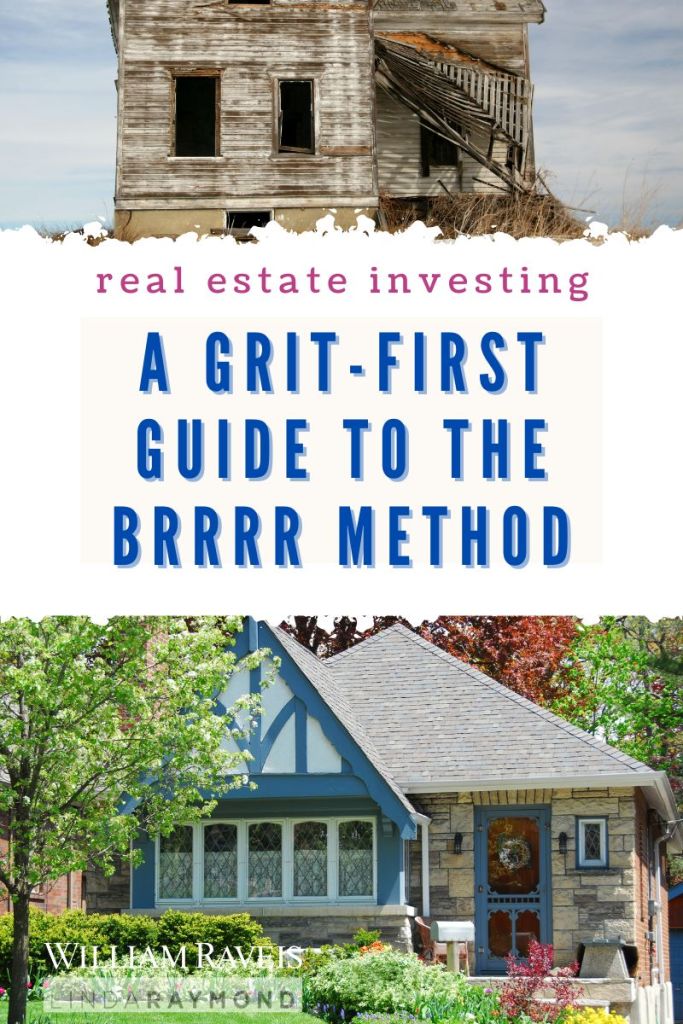
The BRRRR Method Explained: A Grit-First Guide to Real Estate Investing

By Guest Writer: Sharon Wagner

If you’re serious about building wealth through real estate, you’ve probably heard the acronym BRRRR whispered in investor circles like some kind of money spell. It’s not magic—it’s a method. Buy, Rehab, Rent, Refinance, Repeat. It’s a strategy that’s exploded in popularity over the past decade, not just because it works, but because it works in a way that feels accessible. You’re not betting the farm on a flip; you’re stacking equity, reclaiming capital, and—if you’re smart—locking in a passive income stream that pays for years. But let’s not get ahead of ourselves. This isn’t just a rinse-and-repeat formula. It’s a blueprint that demands precision, timing, and a whole lot of grit.

Understanding the Market Beyond the Buzzwords 📉

First off, if you’re going to make the BRRRR method work, you have to actually know your market—like, really know it. That means partnering with your local Realtor for a clear understanding of, not just where the hot zip codes are, but what the local tenants want, what the city ordinances allow, and how the neighborhood is evolving. You don’t want to be the investor who jumps on a cheap property in a declining area, thinking you’ve struck gold, only to find there’s no real path to appreciation or consistent renters. Take walks around the block, talk to the neighbors, pull up zoning maps, and get intimate with local trends. The BRRRR strategy thrives in markets with value-add opportunities and rental demand—not in places where growth has flatlined.

Your Contractor Can Make or Break You 👷🏽‍♂️

Let’s talk rehab—because this is where your margins either breathe or suffocate. You cannot, and I repeat, cannot afford to fumble here. Get multiple quotes, yes, but go deeper than that. Ask for references, check portfolios, walk past projects they’ve worked on. Your contractor needs to understand your goals and timeline, and you need to keep tight control of your budget. The BRRRR method hinges on forced appreciation—so if you’re not improving the asset in a way that a lender or appraiser will recognize, you’re just throwing good money after bad. Choose finishes that appeal to renters but don’t break the bank.

Branding in Your Back Pocket ⚜️

When your realtor is promoting your rental, they should have a branded card from you to showcase your credibility as a general contractor and/or landlord. Sharing a business card might seem old school, but when you’re showing a unit or chatting with a potential renter, it’s a smooth, personal way to stay top of mind. It says you’re not just some random landlord—you’re someone who takes this seriously. Instead of grabbing a basic design online, take a few minutes to make something that actually feels like you. You can use a tool to create your business card print template that makes the whole process easy, with solid templates, smart design features, and editing tools that don’t make you want to throw away your laptop.

Renting Is a Science, Not a Side Note 🧬

Too many new investors treat the “rent” phase like a victory lap. It’s not. It’s the litmus test. If you can’t get reliable tenants paying the right amount in a reasonable timeframe, everything after this falls apart. That’s why you need to work with your Realtor to understand the market and set realistic rents based on hard comps, not wishful thinking. Your Realtor will use an online screening tool to generate a credit and background report on your potential tenant, and your prospect will pay upfront for this service! Screen your tenants like you’re hiring a business partner—because that’s what they are. A bad tenant can wipe out a year’s worth of profits, so don’t skip the background check or the call to previous landlords. Remember to get your Rental Certificate of Occupancy, and don’t underestimate all that’s involved with becoming a landlord.

Refinancing Isn’t Free Money—It’s Strategy 💰

This is where the amateurs get sloppy. The refinance stage is not just a matter of walking into a bank and walking out with a check. Lenders will want to see solid leases, seasoned tenants, proper permits, and an appraised value that justifies your improvements. Timing here is critical. Refinance too early, and your appraisal might not reflect the real value you’ve added. Wait too long, and you’re tying up capital that could be deployed into your next deal. Know the seasoning period your lender requires—some want six months, others more. If you know your break-even point, you will be able to leverage refinancing to optimize your investment.

Leverage Is Your Friend, Until It’s Not ⚖️

It’s tempting to max out your cash-out refi, especially when the numbers look good on paper. But too much leverage turns your cash-flowing unicorn into a liability the minute interest rates tick up or your property sits vacant for a month. Build in cushions. Leave some equity in the deal. Keep reserves. The whole point of BRRRR is to be nimble and to build a portfolio that funds itself—not to become house-poor with five properties and no safety net. Just because the bank says you can borrow it doesn’t mean you should.

Buy the Block Backwards!Scaling Without Losing Your Shirt 📈

Once you’ve done one BRRRR, it’s easy to get hooked. You feel like you’ve cracked a code. But scaling isn’t just doing the same thing more times. It means systematizing the process: having reliable teams, repeatable processes, and, most importantly, liquidity. You have to get comfortable managing debt, juggling timelines, and solving problems fast. And let’s not forget: more properties mean more maintenance, more risk, and more tenants. If you’re not ready for that level of management, your portfolio will start to feel like a second job you can’t quit. Growth is good—but only if it’s sustainable.

Unexpected Costs Are the Only Guarantee 🤔

Look, Murphy’s Law lives in real estate. A hidden foundation crack, an AC unit that quits mid-July, a surprise city inspection—these aren’t exceptions, they’re eventualities. You’ve got to budget for the unknown, and I’m not talking about some vague 10% contingency. Really dig into what could go wrong and run your numbers like it already did. This is the difference between a plan and a pipe dream. The best BRRRR investors are cautious optimists—they hope for appreciation but plan for a pipe burst.

If you’re still excited, then you’re probably cut out for this. The BRRRR method is not a casual strategy. It’s not sexy. It doesn’t promise overnight success or passive riches from day one. But it works. If you do your homework, build your team, and keep your emotions out of your spreadsheets, it’s one of the most powerful tools in real estate investing. Just remember: this isn’t Monopoly. It’s your money, your time, your future. Treat every deal like it matters—because it does.

This post is for informational purposes only and isn’t meant to be legal or financial advice. Everyone’s situation is different, so before you jump into any deals, be sure to talk with a qualified attorney, CPA, or real estate pro. Do your due diligence—your future self will thank you!

Discover the charm of Fairfield & Westport living with expert insights and sustainable home tips at Linda Raymond’s Real Estate Blog — your gateway to a greener, more vibrant lifestyle!

← Back

Thank you for your response. ✨

#BRRRRMethod

#RealEstateInvesting

#BuyAndHold

#RentalProperty

#PassiveIncome

#RealEstateStrategy

#InvestmentProperty

#WealthBuilding

#GritAndGrind

#HustleMindset

#GritFirst

#InvestorMindset

#LevelUpMindset

#FinancialFreedom

#BRRRRInvesting

#RealEstateTips

#BRRRRStrategy

#BuyRenovateRentRefinanceRepeat

#FinancialIndependence

#MillennialInvestor (if it fits your target audience)

#HouseHacking


1 Comment

Is Homeownership a Risky Investment in 2024? What You Need to Know


Understanding the Risks and Returns of Homeownership

Are you worried about declining home values or a housing crash? In today’s fluctuating real estate market, many potential homebuyers and homeowners are concerned about the possibility of declining home values or a housing crash. However, understanding the risks and returns of homeownership can help you make an informed and confident decision.

Risk vs. Return:

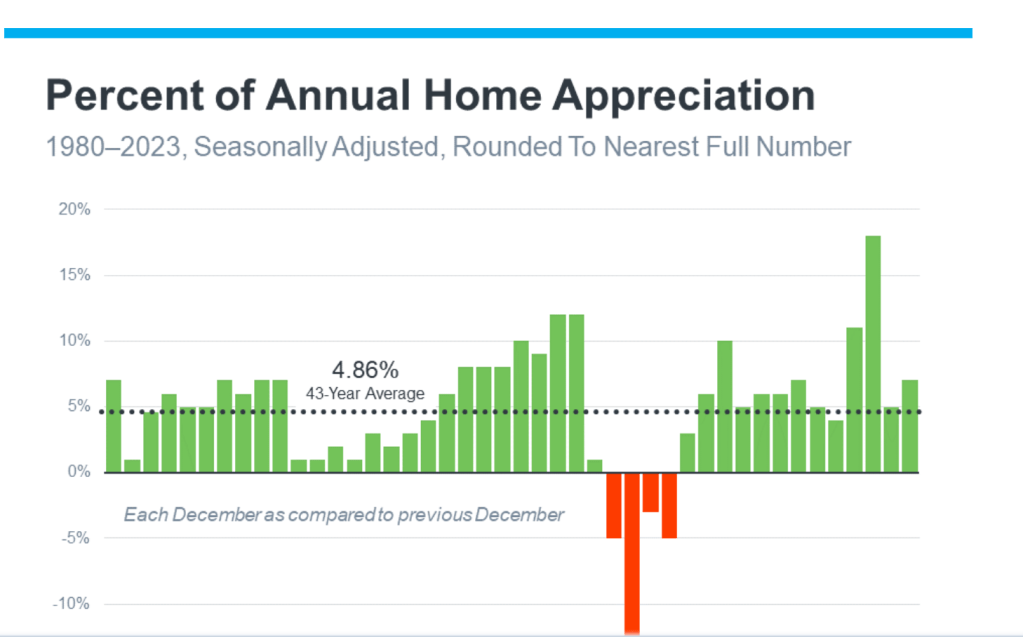
Real estate is often considered a reliable long-term investment. Historical data supports this view, with home values generally increasing over time. According to the chart below from Keeping Current Matters with data from Freddie Mac, national home values have increased by an average of 4.86 percent per year since 1980. The only significant decline occurred during the 2007 housing crisis.

While fluctuations in home prices are influenced by factors such as supply and demand, interest rates, employment, and local conditions, the overall trend has been upward.

Bottom Line

Real estate values have consistently risen over time, making it a solid investment choice. If you’re looking for a sound investment and a new home, reach out to your real estate agent to help you prepare for your big move!

Contact Linda Raymond

For personalized advice and guidance in navigating the real estate market, contact Linda Raymond, your trusted Fairfield, CT Realtor. Linda is dedicated to helping you find the perfect home and making your real estate journey as smooth as possible.

← Back

Thank you for your response. ✨

#RealEstateInvestment #HomeValues #HousingMarket #HomeBuyingTips #LongTermInvestment #RealEstateAdvice #FairfieldRealtor #LindaRaymondRealtor #InvestInYourFuture